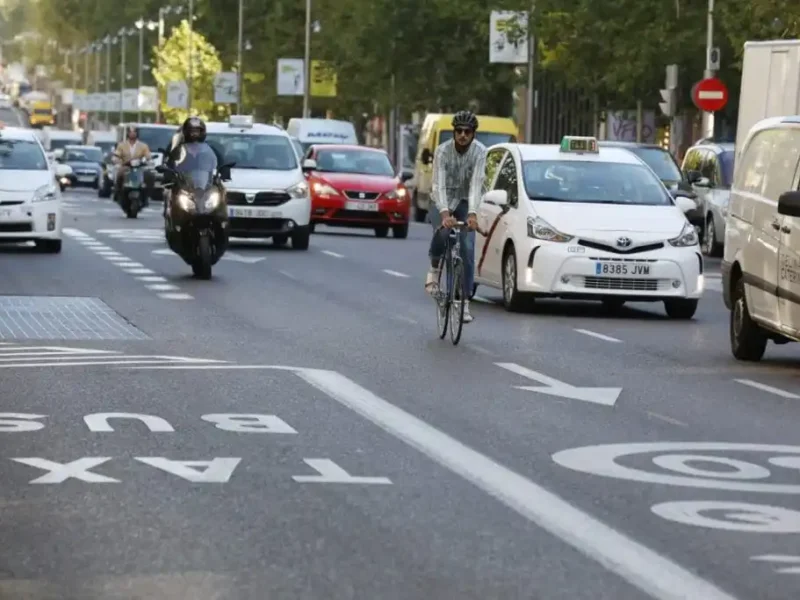


Starting in November 2024, Madrid will implement new traffic restrictions within the Low Emission Zone (LEZ), with the aim of reducing pollution and improving air quality in the city. This new mobility plan is generating great expectations as well as some uncertainty, especially among property owners, buyers, and real estate market agents.
But how will this measure really affect the housing market in the center and other areas of Madrid? In this article, we analyze the possible impacts and what it means for those looking to invest in properties in the capital.
What Changes with the New Mobility Plan in Madrid?
The new Mobility Plan 2024 aims to restrict access of more polluting vehicles to the city center, prioritizing the use of public transport, bicycles and pedestrian areas. Among the most significant changes are:
- Expansion of the LEZ: The Low Emission Zone is extended, limiting access of vehicles without an environmental badge to a larger area.
- Restrictions on Private Vehicles: Only residents and vehicles with a «Zero Emissions» badge will be able to circulate freely within the LEZ during peak hours.
- Promotion of Sustainable Mobility: New infrastructure for bicycles and bus lanes, as well as improvements to the public transport network.
These changes will not only impact the way citizens get around, but also the attractiveness of certain areas for living and working, which will have repercussions on the real estate market.
Impact on the Real Estate Market in the Center of Madrid
Greater Demand for Housing in Restricted Access Areas
The fact that central areas are now less accessible to private vehicles could increase demand for properties in these areas from those who value a quieter environment with less pollution. Families and professionals who prefer urban living without traffic noise may find these areas more attractive, which will drive up property values.
Consequence: Higher prices for homes in neighborhoods such as Chamberí, Malasaña and Lavapiés, where restrictions encourage a more pedestrian-friendly and cleaner environment.
Reduced Interest in Properties without Parking Space
With the new restrictions, having a vehicle in the center will become less convenient, which could reduce interest in properties without parking spaces. Instead, there will be a growing focus on properties that offer easy access to public transport or facilities for bicycles and electric scooters.
Consequence: Investors may focus on renovating properties to adapt them to new mobility needs, such as including bicycle parking.
Appreciation of Peripheral Areas with Good Connections
While some people will prefer to stay in the center, others will choose to move to peripheral neighborhoods that, thanks to improvements in public transport, are becoming more accessible and attractive. Areas such as Carabanchel, Usera and Vallecas could experience an increase in demand, as they allow easy access to the center without needing a car.
Consequence: Increased investment in housing in peripheral areas connected by metro and commuter trains.
Opportunities for Investors
The new mobility plan not only presents challenges, but also opportunities:
- Rehabilitation of Old Buildings: Owners who modernize their buildings to comply with energy efficiency and acoustic insulation regulations can increase their value in these quieter areas.
- Sustainable Housing: The trend towards a more ecological lifestyle and the drive for sustainability make properties with green certifications, solar panels and energy efficiency systems increasingly attractive.
- Co-living and Co-working Spaces: With a greater focus on sustainable mobility and hybrid working, investing in co-living and co-working spaces in well-connected areas could be a great opportunity.
Tips for Buyers and Sellers
- For Buyers: If you are looking to acquire a property in Madrid, now may be a good time to invest in areas that have not yet experienced a price increase, but that will benefit from the new mobility plan.
- For Sellers: If you have a property in the center, consider making improvements that will make it more attractive to buyers looking for comfort and sustainability, such as installing energy-saving systems.
Conclusion
Madrid’s new Mobility Plan for 2024 promises to transform the way residents get around and, in turn, will influence the city’s real estate market. While some neighborhoods could experience an increase in demand and property values, others will see a change in the profile of their buyers and investors. Stay on top of the latest developments and prepare to take advantage of the opportunities that arise from this change.
Want to know more about how the Madrid real estate market is adapting? Subscribe to our blog so you don’t miss the latest updates.